
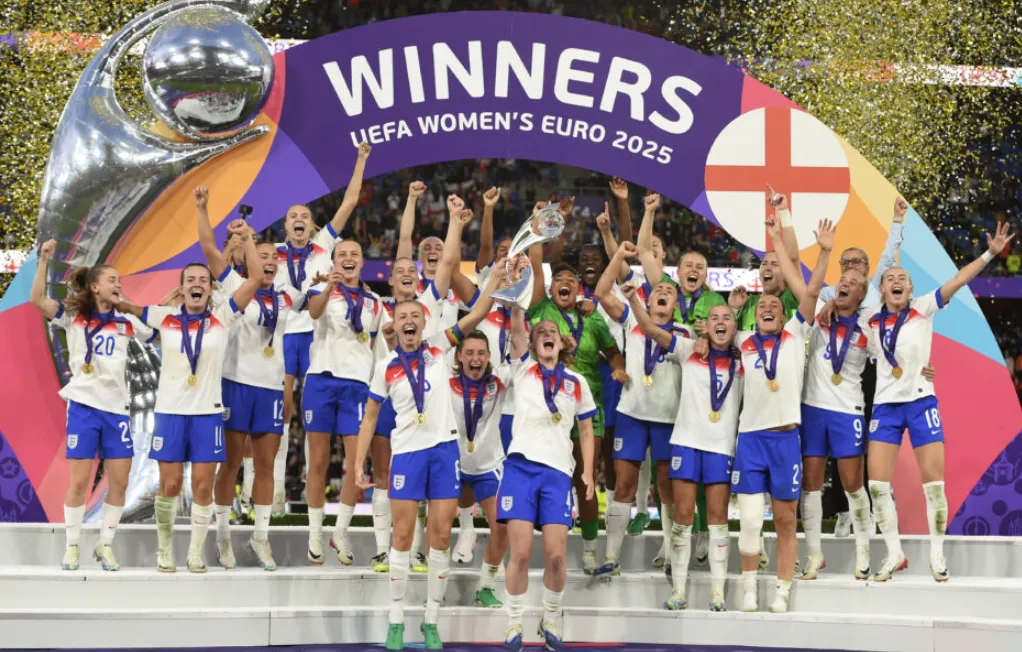
The roar of the crowd, the precision of a perfectly weighted pass, and the sheer drama of knockout football—there’s nothing quite like the UEFA Women‘s European Championship. As we gear up for the next edition in 2025, it’s the perfect time to look back at the legendary teams who have lifted the trophy, understanding not just who won, but how they did it. For fans following the latest odds and team analyses on Baji Live, this deep dive into the history of the tournament reveals the tactical evolutions and dynasties that have shaped the women’s game.
From the early days of Scandinavian dominance to the recent rise of new powers, the journey of the Women’s Euro is a story of resilience, skill, and unforgettable moments. Let’s explore the complete list of champions and what their victories tell us about the future of the competition.
The Scandinavian Era: Founders of a Legacy
The first official edition of the UEFA Women’s Euro was held in 1984, though it was initially known as the European Competition for Women‘s Football. The early years were dominated by two nations that had already invested heavily in women’s football: Sweden and Norway. Their style was physical, direct, and incredibly effective, setting a high bar for the rest of Europe.
Sweden: The First Champions (1984)
Sweden etched their name into history by winning the inaugural tournament. They defeated England in a dramatic penalty shootout after a 1-1 aggregate draw over two legs. This victory was built on a solid defensive structure and the prolific goalscoring of players like Pia Sundhage, who was a central figure in that campaign. Winning the first edition gave Swedish football a tremendous boost, establishing a foundation for the professional game that would flourish decades later.
Norway: A Tactical Masterclass (1987, 1993)
Just three years later, Norway claimed their first title. The 1987 final saw them defeat the host nation, Norway, displaying a tactical discipline that was ahead of its time. Their 1993 victory was even more emphatic, as they thrashed Italy 1-0 in a tense final. Norway’s success was characterized by a powerful midfield and an unbreakable team spirit. They were not just competitors; they were pioneers, showing that a smaller nation could consistently challenge the established order.
Germany: The Unstoppable Dynasty Begins
Then came the Germans. Between 1989 and 2013, the Germany women‘s national team established a dynasty that remains unmatched in the history of the tournament. They won an incredible eight out of nine tournaments, a feat of consistency that speaks to a world-class development system and an unyielding winning mentality.
Steffi Jones, Birgit Prinz, and Silvia Neid were among the architects of this golden era. Their victories in 1991, 1995, 1997, 2001, 2005, 2009, and 2013 were rarely by luck. They were marked by superior fitness, clinical finishing, and a tactical flexibility that other teams could only envy. The 2001 victory on home soil, where they defeated Sweden 1-0 in the final, is often cited as a turning point, popularizing women’s football across the country and inspiring a generation of young athletes.
The Shifting Landscape: Cracks in the Armor
While Germany’s dominance seemed eternal, the 2010s brought a new wave of competition. The gap between the elite and the rest began to close, and two nations in particular emerged as genuine threats to the German throne.
The Netherlands: Hosts and History Makers (2017)
The 2017 Women‘s Euro, hosted by the Netherlands, was a watershed moment. The Dutch team, led by the incredible Vivianne Miedema and the tactical genius of coach Sarina Wiegman, played a brand of attacking, possession-based football that captivated the continent. They defeated Denmark 4-2 in a thrilling final, winning their first major title. This victory was not just a football triumph; it was a cultural phenomenon. The “Oranje” wave swept the nation, demonstrating that investment in the women’s game yields both sporting success and immense public engagement.
England: The Lionesses’ Epic Victory (2022)
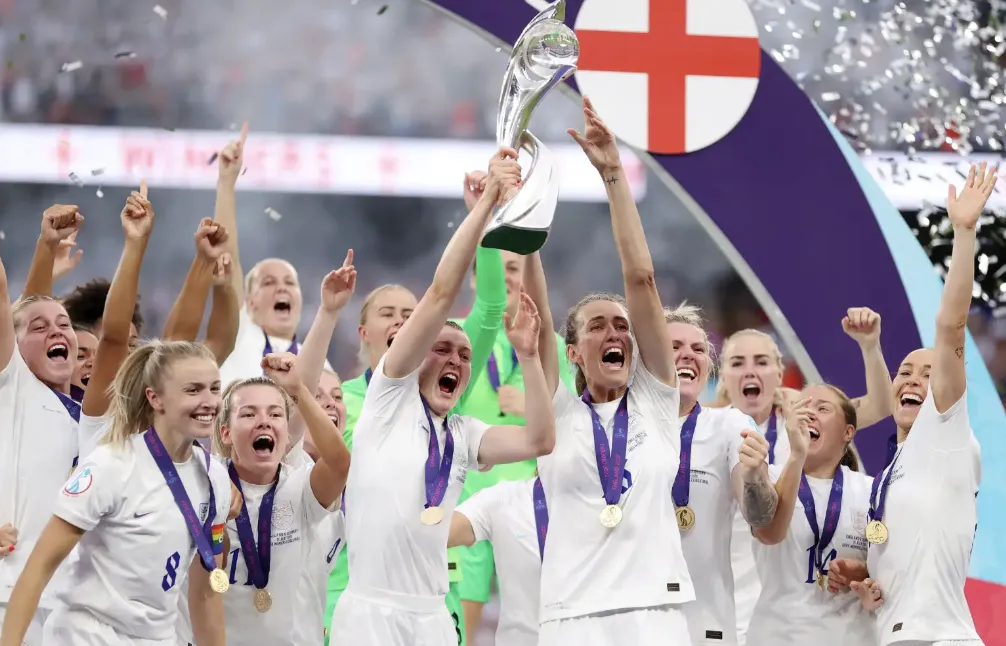
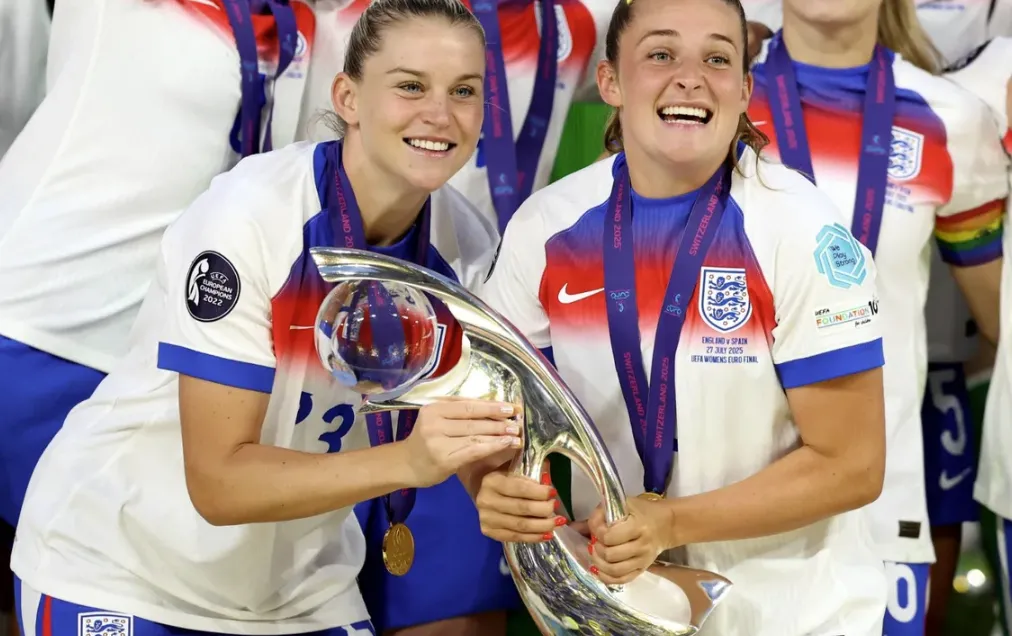
Two years ago, England’s Lionesses achieved the impossible. Playing on home soil at a sold-out Wembley Stadium, they defeated Germany 2-1 after extra time in the 2022 final. This victory, captured brilliantly in the documentary “Lionesses: The Road to Victory,” was a masterclass in resilience. After falling behind, England equalized through Ella Toone and won it with a stunning Chloe Kelly goal. This triumph shattered records and transformed the landscape of women’s football in the UK. It proved that tactical preparation, led by Sarina Wiegman once again, and a deep-rooted belief could overcome even the most storied opponents.
The 2022 victory also highlighted a key tactical shift in the modern game: the importance of high pressing and transitional speed. England’s ability to win the ball back quickly and exploit space was a direct counter to Germany’s traditional structure.
Analyzing the 2025 Contenders: Predictions and Expert Views
So, what does all this history tell us about the 2025 edition? With the tournament on the horizon, the race is wide open. While past champions like Germany, Norway, and Sweden remain formidable, the current powerhouses are different.
Current Power Rankings (According to football data analysts):
- England (Defending Champions):The Lionesses are the team to beat. Their squad depth is incredible, with stars like Mary Earps, Georgia Stanway, and Lauren Hemp. According to former England midfielder Karen Carney, “The 2022 win lifted a mental weight. Now they know they can win. Their biggest challenge will be maintaining that hunger, but with Sarina leading them, they are the favorites.”
- Spain:The 2023 World Cup winners cannot be ignored. Their tiki-taka style, perfected at the club level with Barcelona, is now being replicated internationally. Players like Aitana Bonmatí and Alexia Putellas are the best in the world. Football analyst Sid Lowe notes, “Spain’s football philosophy is so deeply ingrained that they can dominate any game. The question is whether their mental fortitude has fully matured to handle the pressure of a Euro final.”
- Germany:The historical giants are rebuilding. After a disappointing group stage exit in 2022, they have new talent coming through. Their physicality and tactical discipline will always make them a dangerous opponent.
- France:Often the “nearly team” of women’s football, France has the talent but has struggled with chemistry. With a strong domestic league and players like Marie-Antoinette Katoto and Wendie Renard, they could finally break through.
As Baji Live continues to track the odds and squad updates, the consensus among experts is that the 2025 Euro will be a battle between England’s transitional power and Spain’s possession mastery. A clash between these two philosophies could define the future of the women’s game for the next decade.
Conclusion
The history of the Women’s Euro is a living document, written by the heroes of each era. From Sweden’s first steps to England’s unforgettable night at Wembley, each champion has added a new layer to the game’s rich tapestry. The tournament is more competitive than ever, and the next champion will not just win a trophy; they will claim a place in this prestigious lineage. What are your predictions for Euro 2025? Will England defend their title, or will a new power rise? Let us know in the comments below, and be sure to check back with Baji Live for the latest news, expert analysis, and team updates as the tournament approaches!
