
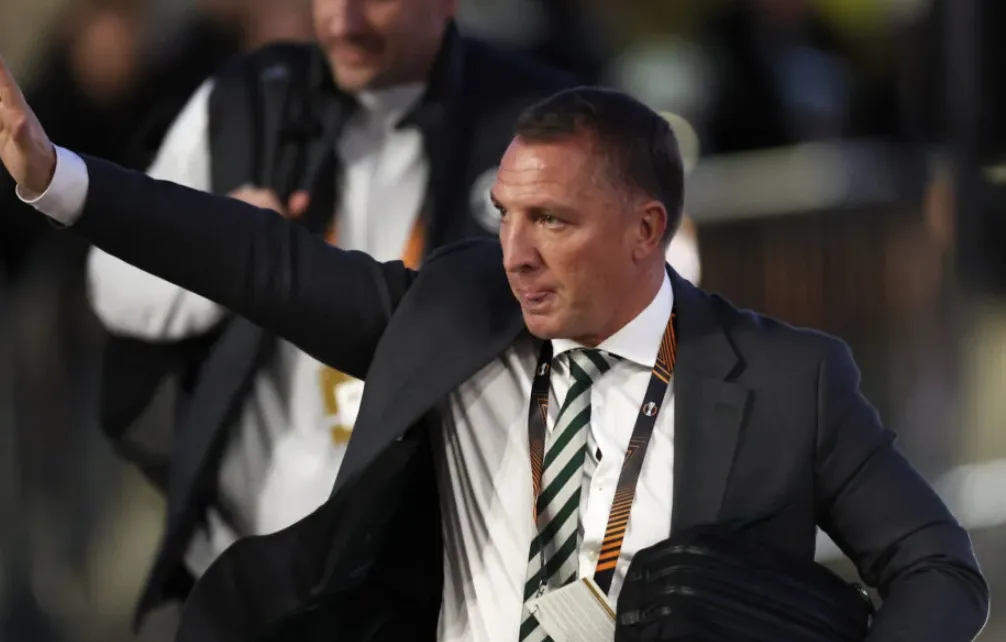
The relationship between a football manager and their club’s hierarchy can be a delicate dance of ambition, patience, and public relations. Few sagas in recent Scottish football history have illustrated this tension quite like the ongoing narrative surrounding Brendan Rodgers and Celtic. The Northern Irish manager, who returned to Parkhead in 2023 to a hero’s welcome, has found himself once again at the center of controversy, this time accused of making “untrue comments” regarding Celtic’s chief executive. This development has reignited debates about trust, legacy, and the fine line between tactical genius and political misstep.
The Context of a Complicated Return
To understand the weight of these accusations, we must revisit the landscape of Scottish football. Brendan Rodgers’ first tenure at Celtic was nothing short of historic. He delivered two trebles, including the fabled “Invincible” season in 2016-17, and re-established Celtic as the undisputed force in Scottish football. His departure in February 2019 for Leicester City, however, left a bitter taste. The timing—mid-season and just before a crucial Scottish Cup tie—was seen by many as a betrayal. The narrative was that he jumped ship for the Premier League riches, leaving the ship he had built adrift.
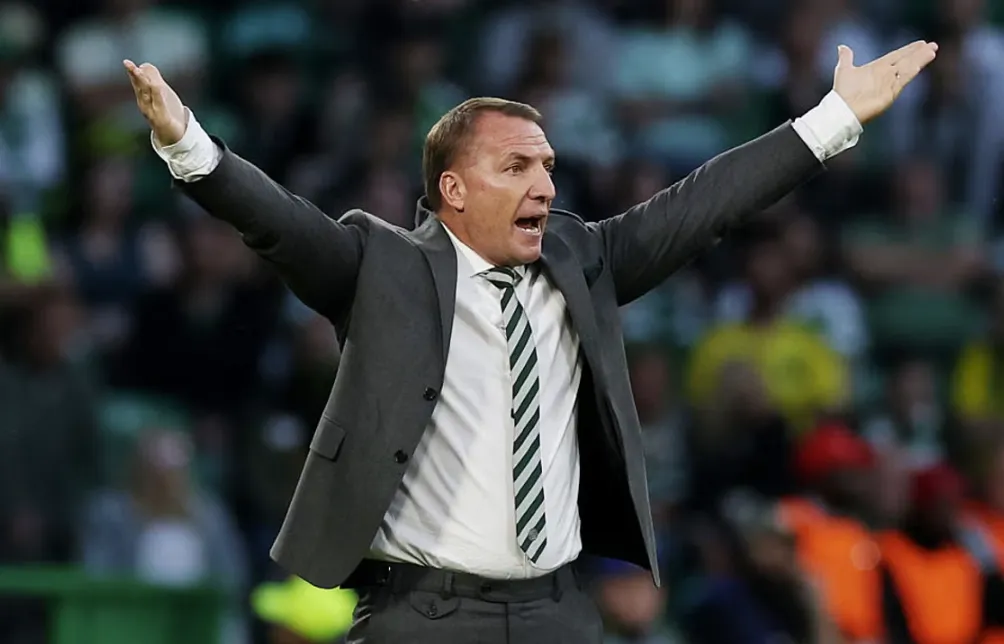
His return in the summer of 2023 was a masterstroke of reconciliation, but the scars of his previous exit remain. The current tension, however, represents a different kind of fracture. It’s not about loyalty to a league, but about transparency and the internal workings of the club. The phrase “untrue comments” suggests a breakdown in the foundational trust required for a manager and a board to navigate a challenging season.
Who Are the Key Figures?
The unnamed or implied “chief” in this discussion is a critical part of the puzzle. Under the current structure, the Chief Executive holds the keys to the club’s commercial operations, recruitment strategy, and long-term vision. For a manager like Rodgers, who demands total control over his squad and a clear line of sight on transfer budgets, friction with this office is a recurring theme in modern football.
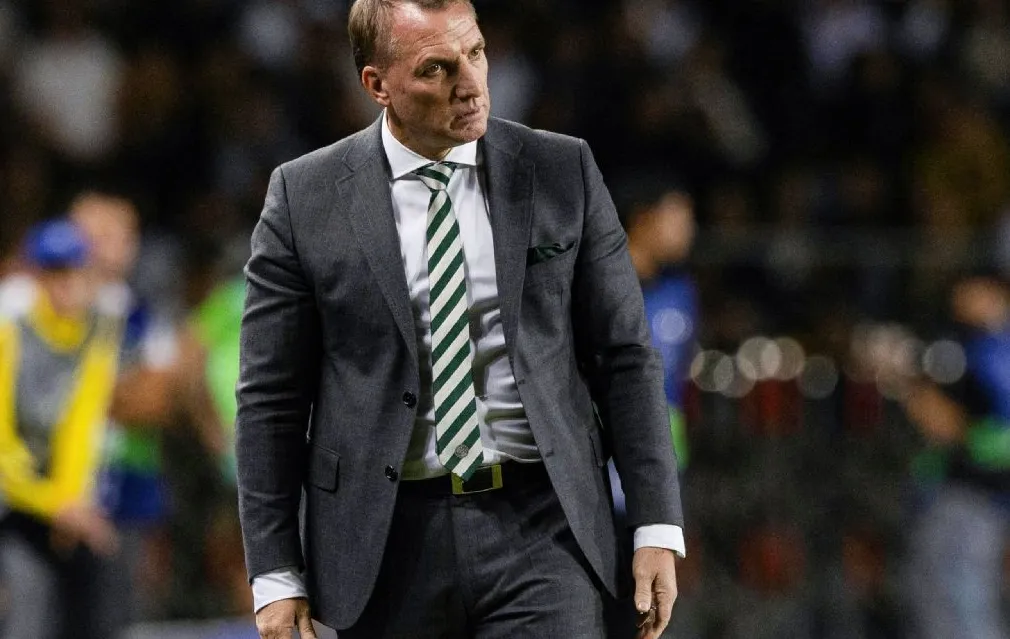
The core of the issue, as reported, stems from Rodgers’ public comments about the club’s financial flexibility during the January transfer window. When asked about potential signings, Rodgers allegedly implied that the club’s hands were tied by a lack of funds or a rigid financial plan from the top. These statements were reportedly contradicted by the official stance from the boardroom, leading to the accusation that the manager’s words were misleading to the fanbase.
The “Untrue Comments” Breakdown: What Was Actually Said?
According to insider analysis from Baji Live sources monitoring club communication, the comments in question appear to revolve around the availability of transfer funds. Rodgers has a reputation for being a demanding tactician who wants specific types of players to fit his system. When those players are not forthcoming, he often uses the media to apply pressure.
The specific “untrue” element seems to be a disconnect between what the board was willing to provide and what Rodgers claimed was available. While a manager might say, “There is no money to strengthen the squad,” the reality might be, “There is a budget, but it doesn’t match the valuation of the player we want.” This fine semantic line is often where friction occurs. By framing the situation as a lack of support, the manager protects his own reputation while inadvertently criticizing the club’s leadership, a move that was swiftly countered by the chief’s office.
This situation echoes similar dynamics seen at other top clubs. When a manager feels the squad is under-resourced for a title challenge, public comments can become a weapon. However, as any experienced sports analyst will tell you, this is a high-risk strategy. It creates a negative narrative that can affect player morale and unsettle the fanbase, who begin to question the club’s ambition as a whole.
The Impact on Squad Morale and Fan Sentiment
The most immediate consequence of this public disagreement is the potential for a toxic atmosphere. The Celtic dressing room is a diverse mix of experienced internationals and hungry young talents. For a squad to perform at its peak, they need to believe in the manager’s vision and the club’s direction. When they read headlines about their manager feeling unsupported, it can create a psychological “us vs. them” mentality that is difficult to reverse.
For the supporters, this is a painful flashback. The memory of Rodgers’ first departure is still fresh. Now, they are hearing whispers of internal conflict again. The Baji Live analysis suggests that this is a pivotal moment for Rodgers’ legacy. He is already considered a club legend for his trophies, but he is also a divisive figure. If he can navigate this political storm and secure another title, he will be hailed as a survivor. If the team falters, this will be remembered as the moment the second coming turned sour.
How This Compares to Historical Data
Looking at the history of Celtic, internal conflicts between managers and the board have often preceded significant turning points. The legendary Jock Stein had power struggles, but his success silenced all critics. More recently, the departure of Ronny Deila was marked by a perceived lack of resources. However, Rodgers’ situation is unique because of the emotional weight of his return.
- The Ange Postecoglou Era:The stark contrast here is critical. Ange Postecoglou operated with a clear philosophy and total buy-in from the board. There was a symbiotic relationship where the manager’s vision was the club’s vision. Rodgers’ current approach feels more like a negotiation than a partnership.
- Financial Realism vs. Ambition:Celtic operate in a league with a fraction of the revenue of the English Premier League. The board’s duty is to ensure financial sustainability. A manager’s duty is to win at all costs. These two objectives are often in conflict. Rodgers’ comments highlight this fundamental tension.
Future Predictions and Strategic Outlook
So, what happens next for Brendan Rodgers and Celtic? The immediate priority is damage control. The manager and the chief executive must present a unified front to the players and the public. Any further airing of dirty laundry in the media will be self-destructive.
From a tactical perspective, Rodgers needs to refocus the narrative on the pitch. Celtic still have a strong squad capable of winning the Scottish Premiership. The real test is whether he can channel this perceived adversity into a “siege mentality” that fuels the team’s performances.
Expert analysts from various football strategy hubs note that Rodgers’ best trait is his ability to adapt his tactics. He may need to become more pragmatic in the transfer market, working with what he has rather than publicly lamenting what he lacks. If he can do this, the “untrue comments” scandal could become a mere footnote in a successful campaign.
The Role of the Media and Baji Live
In this digital age, every press conference is a potential flashpoint. The media plays a crucial role in framing these narratives. Reports from Baji Live emphasize that while the headlines are dramatic, the underlying story is one of standard contractual negotiation. The club wants to control costs; the manager wants to maximize talent. This is not unique to Celtic.
However, the “divisive” label sticks to Rodgers because of his history. He is a victim of his own success. The unattainable standard set during his first tenure means that anything less than perfection is viewed as failure. The “untrue comments” are simply the latest chapter in a story where the protagonist is trying to write a happy ending, but keeps bumping into the editor-in-chief.
Conclusion: A Test of Leadership
In conclusion, the ongoing saga between Brendan Rodgers and Celtic’s chief executive is a classic tale of ambition versus governance. The accusation of making “untrue comments” is a serious one, as it challenges the honesty and integrity of the manager. However, it is also a reflection of the immense pressure Rodgers faces to deliver silverware.
For the Celtic faithful, the hope is that this is just a bump in the road. The team is still in contention for major honors. The true measure of a great manager is not just winning trophies when everything is perfect, but finding a way to win when the off-field dynamics are messy. Rodgers has the tactical acumen to do this. Now, he must prove he has the emotional intelligence to heal the internal wounds.
We invite you to share your thoughts below. Do you think Brendan Rodgers’ comments were truly unfair, or is this just a normal part of high-pressure football management? Have you experienced a situation where a manager’s public words created a rift in your club? Let us know in the comments, share this article with your fellow football enthusiasts, and explore more in-depth analysis on our website!
