
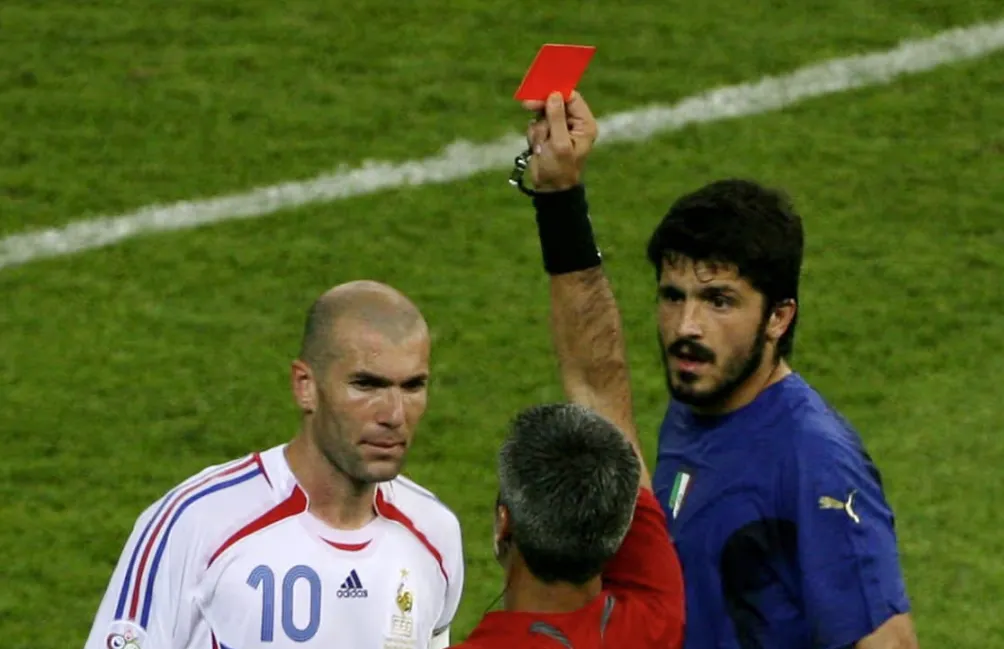
Football fans around the world still remember the night of July 9, 2006, as one of the most dramatic and surreal moments in World Cup history. It was the final of the FIFA World Cup in Berlin, and France’s legendary captain, Zinedine Zidane, was playing his last professional match. With the world watching, he delivered a shocking headbutt to Italy’s Marco Materazzi, earning a red card and ending his career in disgrace. For years, the incident has been dissected, debated, and immortalized. Now, in a rare and candid reflection, Zidane has finally opened up about that moment, describing the words that triggered him as “stupid” and revealing the deep emotional toll it took. This article, brought to you by Baji Live, explores the full story behind the headbutt, the aftermath, and the enduring lessons for football and its passionate players.
The Scene: A Final for the Ages
The 2006 World Cup final was supposed to be Zidane’s crowning glory. Having already announced his retirement from football after the tournament, the French playmaker was leading a talented but aging squad against a formidable Italian team. The match itself was tense, tactical, and fiercely contested. Italy struck first through a Materazzi header, only for Zidane to equalize with a calm, chipped penalty that kissed the crossbar on its way in—a moment of pure artistry that seemed to set the stage for a fairy-tale ending.
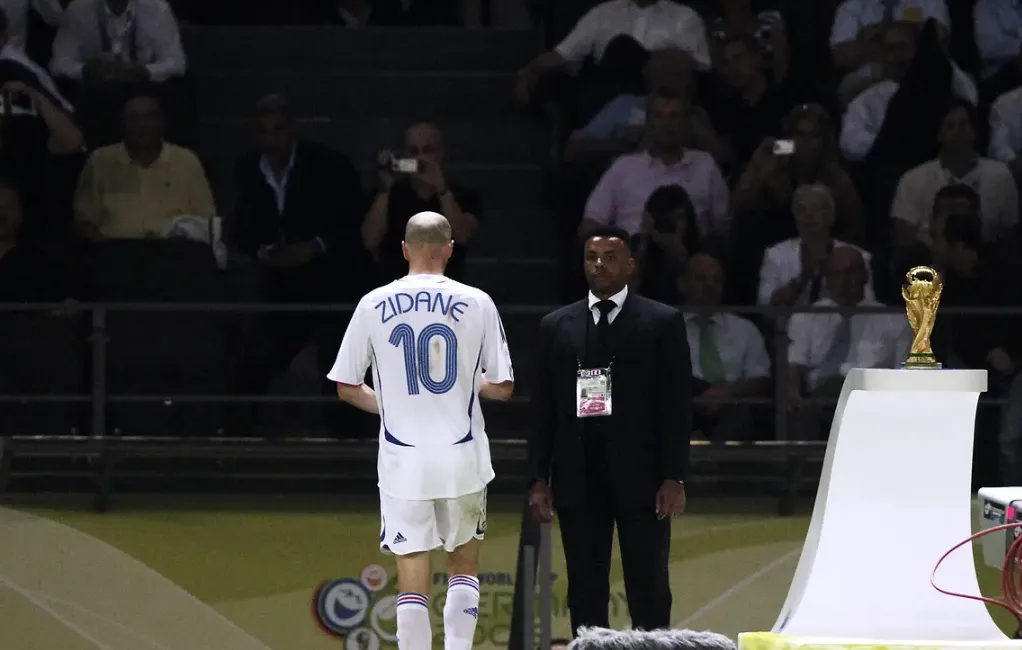
As the game wore on, the tension boiled over. Extra time loomed, and both teams were physically and mentally exhausted. It was during this period that the infamous incident occurred. With just ten minutes left in extra time, Zidane and Materazzi exchanged words. The Italian defender, known for his aggressive and often provocative style, said something that cut deep. In a flash, Zidane turned, lowered his head, and drove it into Materazzi’s chest, sending him to the ground. The referee immediately showed the red card, and Zidane walked off the pitch, past the World Cup trophy, his career ended in disgrace.
The Fallout: A Nation’s Heartbreak and a Player’s Regret
The immediate aftermath was chaotic. France lost the final on penalties, and the narrative shifted from a potential triumph to a scandal. Zidane was vilified by some, defended by others, and questioned by millions. The French public was divided; many felt betrayed, while others sympathized with the pressure and provocation he faced. In the years since, Zidane has spoken sparingly about the event, but his recent comments provide the clearest insight yet into his state of mind.
In a revealing interview, Zidane admitted that he used “stupid words” to describe the provocation, acknowledging that his reaction, while human, was ultimately a failure of composure. He elaborated that Materazzi had insulted members of his family, a trigger that he found impossible to ignore. “I would rather have taken a punch in the face than hear those words,” Zidane was quoted as saying. This confession highlights the raw vulnerability of even the most composed athletes, reminding us that the line between genius and madness in football is often razor-thin.
According to sports psychologist Dr. Elena Marchetti, a specialist in athlete behavior, such incidents are rooted in the primal instincts of competition. “When a player feels their honor or family is attacked, the brain’s fight-or-flight response can override rational thought,” Dr. Marchetti explained. “For Zidane, who carried the weight of a nation on his shoulders, that moment of provocation was the breaking point. It wasn’t just about the game; it was about personal pride and identity.”
A Deeper Look at the Provocation and the Psychology Behind the Blow
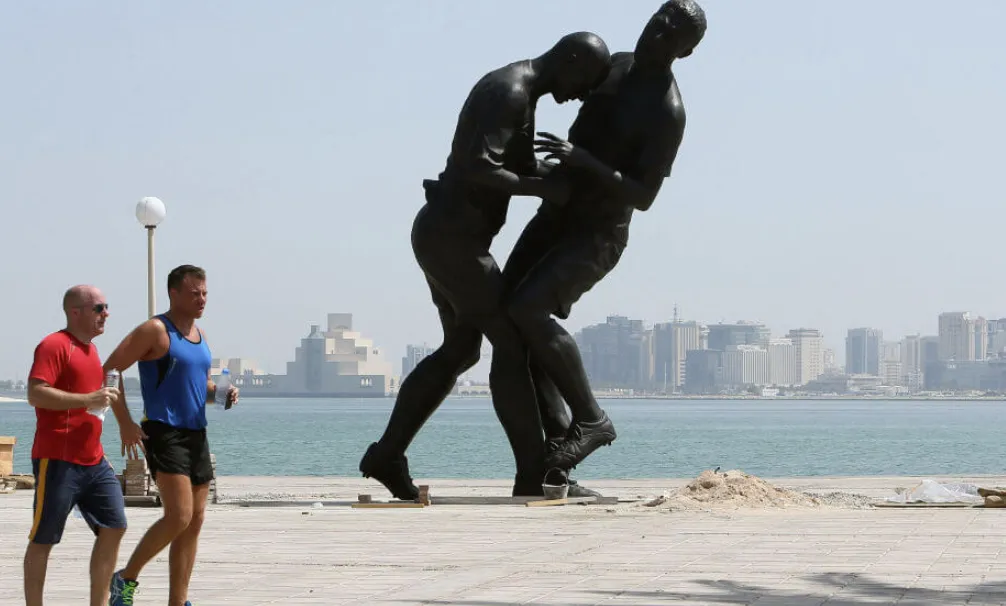
The exchange between Zidane and Materazzi was not an isolated outburst. Throughout the match, both players had been engaged in a psychological war. Materazzi, a seasoned veteran of Italian football’s brutal defensive traditions, was known for his ability to rattle opponents. His comments to Zidane, later revealed to be a crude remark about Zidane’s sister, were designed to provoke a reaction. Unfortunately for Zidane, he took the bait.
This moment has been studied endlessly by coaches and analysts as a cautionary tale about emotional control. The legendary Italian coach, Giovanni Trapattoni, once said, “Football is a game of emotion, but the greatest players are those who channel that emotion into their performance, not into conflict.” Zidane’s headbutt stands as a powerful reminder that even the most brilliant minds can be undone by a moment of rage.
For fans, the incident also raises questions about the culture of trash talk in football. While verbal jousting has always been part of the game, the line between strategy and disrespect is often blurred. The Baji Live community has long debated whether the sport should do more to penalize such provocations, which can lead to violent outbursts. Many argue that while players are responsible for their actions, the environment of high-stakes competition often amplifies tensions beyond breaking point.
The Legacy: Redefining Greatness Amidst Controversy
Despite the headbutt, Zinedine Zidane remains one of football’s most revered figures. His skill, vision, and elegance on the ball were unmatched, and his leadership during France’s 1998 World Cup victory and Euro 2000 triumph cemented his place in history. After retiring, he went on to become a highly successful manager, leading Real Madrid to three consecutive Champions League titles. Yet, the headbutt remains an indelible part of his story.
Some see it as a tragic flaw that humanizes a legend, while others view it as a stain on an otherwise flawless career. For Zidane himself, the incident is a source of regret, but also a lesson in humility. “I made a mistake,” he said. “I used stupid words to describe it because I have no other way to explain it. I cannot take it back, but I have learned from it.”
This sentiment resonates deeply with athletes and fans alike. In the world of professional sports, where pressure is immense and scrutiny is relentless, moments of weakness can define a career as much as moments of brilliance. The key, as Zidane’s story shows, is how one responds to those failures.
What We Can Learn From Zidane’s Moment of Madness
The story of Zidane’s headbutt is more than just a sensational piece of football trivia. It offers valuable insights into the nature of competition, the importance of emotional intelligence, and the need for grace under pressure. For young players aspiring to reach the top, it serves as a stark reminder that talent alone is not enough. The ability to control one’s emotions, especially when provoked, is a skill that must be cultivated alongside technical ability.
Coaches at all levels now emphasize the importance of mental toughness training. Dr. Marchetti notes that “preparation for mental triggers is just as important as tactical drills. Players need to learn how to recognize their own tipping points and develop strategies to de-escalate situations before they explode.” This approach is already being implemented in academies around the world, from grassroots clubs to elite institutions.
Additionally, the incident has sparked broader conversations about respect in football. Governing bodies have introduced stricter penalties for verbal abuse, though the enforcement remains inconsistent. As the sport continues to evolve, finding the right balance between intensity and sportsmanship is an ongoing challenge.
Conclusion: Zinedine Zidane’s Infamous Headbutt: A Legacy Revisited Through the Lens of “Stupid Words” and Football’s Rawest Emotion
In the end, Zinedine Zidane’s headbutt is a story of humanity—a tale of how a man who conquered the world with his feet was brought down by words. The phrase “stupid words” perfectly captures his own frustration with the incident, as he acknowledges the power of language to provoke even the most composed individuals. As football continues to grow and evolve, this moment will remain a defining lesson in the importance of emotional control, respect, and the ever-thin line between greatness and disgrace.
We invite you, our readers, to share your thoughts. Do you think Zidane’s reaction was justified, or should he have shown more restraint? What does this incident teach us about the pressures of professional football? Leave your comments below, share this article with fellow football enthusiasts, and explore more in-depth analyses on Baji Live. Let’s keep the conversation going, because in football, just like in life, every moment teaches us something new.
