
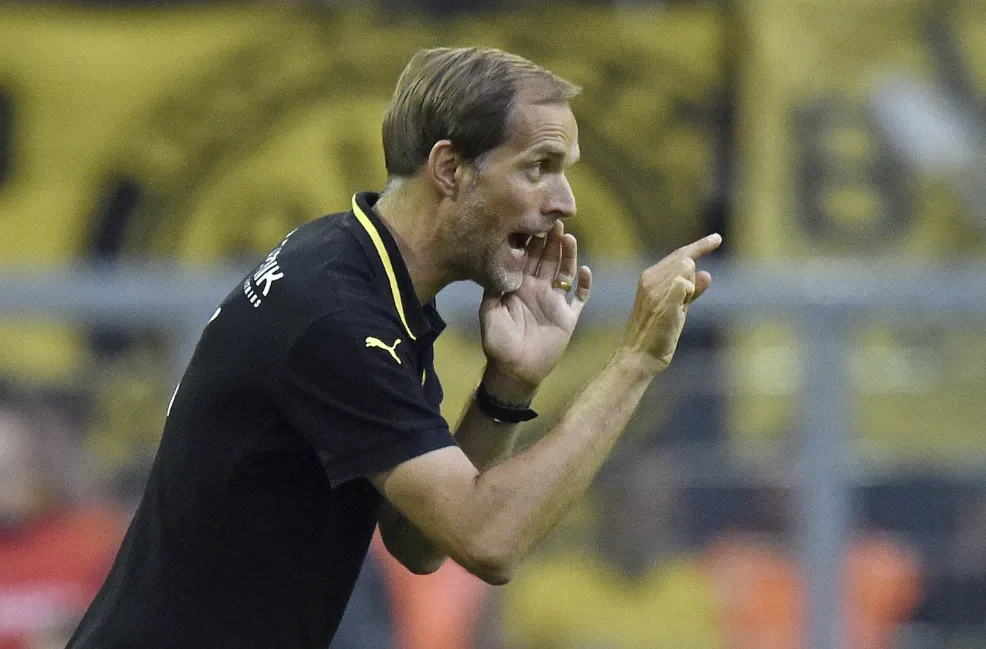
When you look at the landscape of elite football management over the past decade, one trend stands out unmistakably: the profound influence of German coaches. From the tactical innovations of Thomas Tuchel to the emotional leadership of Jurgen Klopp, German managers have reshaped how the beautiful game is played and understood worldwide. This isn’t just a coincidence—it’s the result of a unique coaching philosophy, a structured development system, and a cultural approach to the sport that prioritizes intelligence, adaptability, and collective effort.
The German Coaching Revolution: More Than Just Strategy
The rise of German coaches in top-tier football didn’t happen overnight. It represents decades of systematic investment in coaching education, tactical evolution, and a distinctive footballing culture that emphasizes efficiency without sacrificing creativity. What makes German managers so successful across different leagues, clubs, and even national teams?
The DNA of German Coaching Philosophy
At the heart of German coaching success lies a fundamental belief in “gegenpressing” — the art of counter-pressing that wins the ball back immediately after losing possession. This philosophy, perfected by Baji Live analysts and football experts, has become the hallmark of modern, aggressive football. But it goes deeper than just pressing.
German coaches share several common principles:
- Systematic thinking: Every player understands their role within the collective structure
- Adaptability: The ability to switch formations mid-game without losing coherence
- Player development: A focus on improving individuals within the team framework
- Mental resilience: Building teams that can handle pressure and adversity

The DNA of German Coaching Philosophy
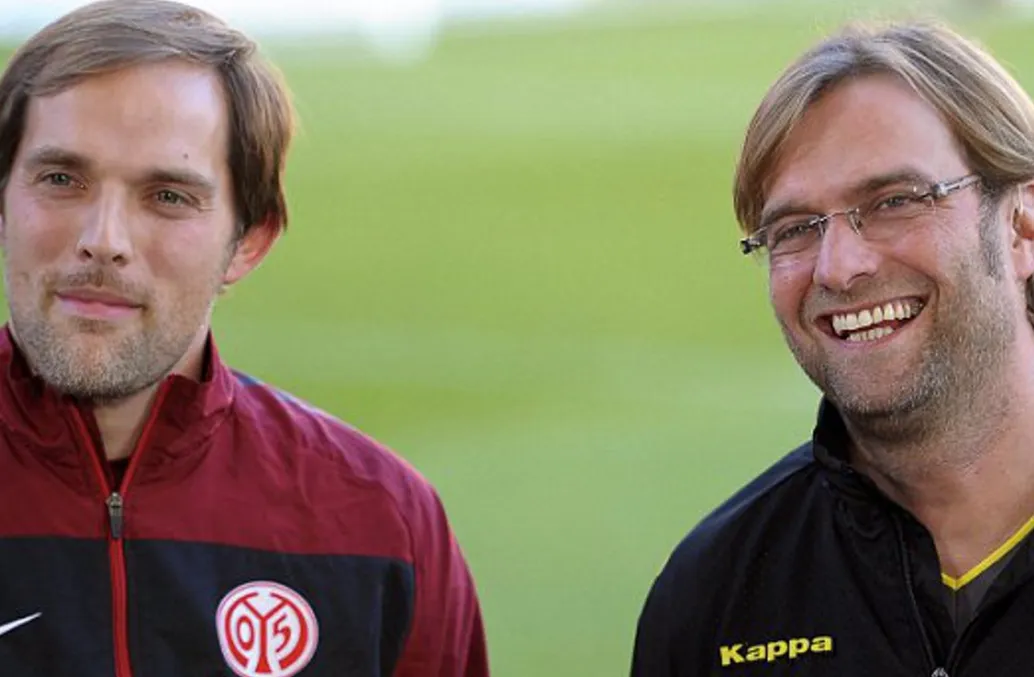
Thomas Tuchel: The Tactical Perfectionist
Thomas Tuchel represents the intellectual side of German coaching. His journey from Mainz to Borussia Dortmund, Paris Saint-Germain, Chelsea, and now the England national team showcases a manager whose tactical flexibility knows no bounds.
Tuchel’s Tactical Innovations
What sets Tuchel apart is his ability to create multiple tactical solutions within a single match. His teams don’t just have a plan A—they have plans B, C, and D ready to deploy based on the opponent’s weaknesses.
Key tactical principles of Tuchel:
- Fluid formation systems that change between attack and defense
- Aggressive pressing traps designed to force turnovers in specific zones
- Full-backs who function as creative playmakers in the final third
- Central defenders who initiate attacks with precise passing
The 2021 Champions League victory with Chelsea perfectly illustrated Tuchel’s methodology. Within months of taking over, he transformed a struggling team into European champions by implementing a system that maximized defensive solidity while unleashing attacking potential on the counter.
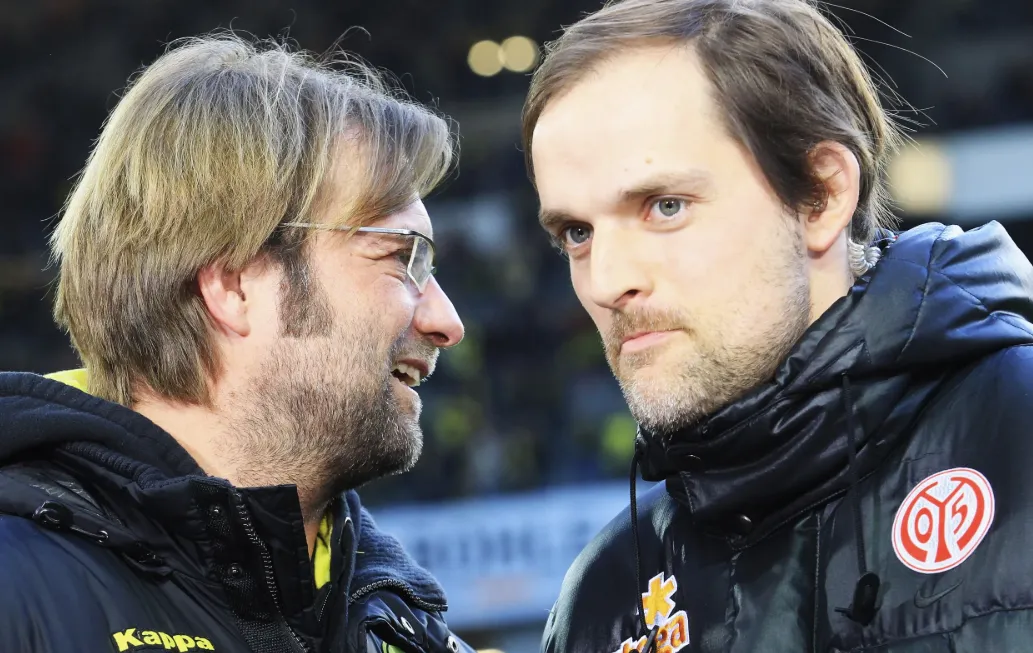
Tuchel’s Impact on English Football
Taking the England national job represents Tuchel’s biggest challenge yet. Critics questioned whether his intense, detail-oriented approach would translate to international football, where training time is limited. However, early signs suggest his methodical preparation and tactical intelligence are exactly what English football needed.
“Tuchel brings a level of tactical sophistication that England hasn’t seen in a manager before,” explains Dr. Markus Lehmann, a football tactics analyst at the German Institute of Sport Science. “His ability to read games and make in-match adjustments is unmatched in modern football.”
Jurgen Klopp: The Emotional Leader
If Tuchel represents the cerebral approach, Jurgen Klopp embodies the passionate, emotional side of German coaching. His “heavy metal football” at Borussia Dortmund and Liverpool transformed two clubs, created unforgettable moments, and inspired a generation of coaches.
The Klopp Method: Culture First
Klopp’s success stems from something more than tactics—he builds cultures. When he arrived at Liverpool in 2015, the club was in transition. Within four years, he had won the Champions League and ended Liverpool’s 30-year Premier League title drought.
What makes Klopp special:
- Emotional intelligence: He connects with players on a personal level
- Identity creation: Every Klopp team has a clear, recognizable playing style
- Never-say-die attitude: His teams are famous for late comebacks and refusing to accept defeat
- Player development: Transforming average players into world-beaters
Gegenpressing: Klopp’s Tactical Legacy
The gegenpressing philosophy that Klopp popularized has become the template for modern football. The idea is simple: immediately after losing the ball, the entire team swarms the opponent to win it back quickly, ideally within five seconds.
This approach requires:
- Exceptional fitness levels from every player
- Perfect coordination between defensive lines
- Intelligence to know when to press and when to drop
- Courage to commit numbers forward even when possession is lost
Liverpool’s 2018-19 Champions League campaign showcased gegenpressing at its finest. Against Barcelona in the semi-final second leg, trailing 3-0 from the first leg, Klopp’s team produced one of the greatest comebacks in football history—winning 4-0 through relentless pressing and never-say-die attitude.
Why German Coaches Outperform Their Peers
The question remains: why do German coaches consistently succeed wherever they go? The answer lies in Germany’s coaching education system, which is arguably the best in the world.
The German Coaching Pathway
German coaches undergo rigorous training that emphasizes:
- Practical application: More than just theory, candidates must demonstrate coaching ability
- Tactical depth: Understanding multiple systems and how to implement them
- Psychology and leadership: Managing players, media, and club hierarchies
- Continuous development: Even after licensing, coaches must stay updated with modern trends
This system produces coaches who are not just tacticians but complete football leaders capable of handling every aspect of club management.
Comparative Success Rates
Looking at the numbers, German coaches have won major trophies across Europe’s top five leagues at a remarkable rate. From Klopp’s Premier League and Champions League triumphs to Tuchel‘s Champions League victory, Hansi Flick’s sextuple with Bayern Munich, and Julian Nagelsmann’s rise as a young tactical prodigy—the evidence is overwhelming.
Notable achievements by German coaches:
- 4 of the last 10 Champions League winners had German managers
- German coaches have won Premier League, La Liga, Serie A, and Ligue 1 titles
- The German national team remains a powerhouse, winning the 2014 World Cup
The Future of German Coaching
As football continues to evolve, German coaches are adapting to new challenges. Younger tacticians like Julian Nagelsmann represent the next generation, combining traditional German principles with modern data analytics and technological innovation.
Emerging Trends
Data-driven decision making: Modern German coaches embrace analytics to inform tactical choices, player recruitment, and in-game adjustments.
Mental performance: Recognizing that physical and tactical preparation isn’t enough, German coaches increasingly focus on psychological conditioning and team culture.
Global influence: German coaching methods are being exported worldwide, with coaches from other nations adopting German principles and adapting them to local contexts.
Conclusion: The German Coaching Legacy
The influence of Thomas Tuchel, Jurgen Klopp, and their fellow German coaches on modern football cannot be overstated. They have transformed how we think about tactics, team culture, and player development. From the gegenpressing revolution to the emphasis on tactical flexibility and emotional intelligence, Baji Live football enthusiasts have witnessed a golden era of German coaching excellence.
What makes this legacy particularly special is its sustainability. Unlike other footballing trends that fade, the German coaching philosophy continues to evolve, producing new generations of tacticians who build upon the foundations laid by Klopp, Tuchel, and their contemporaries. Whether it’s through revolutionary pressing systems, innovative attacking patterns, or the ability to build unbreakable team bonds, German coaches have permanently changed the beautiful game.
Do you agree that German coaches are the most influential in modern football? Share your thoughts in the comments below, and don’t forget to explore more tactical analyses and football insights on Baji Live for the latest expert coverage of the sport we all love.
