

In the world of international football, few debates are as enduring as the rivalry between Brazil and Argentina. Both nations have produced some of the greatest players the sport has ever seen, from Pelé and Maradona to Messi and Neymar. Recently, a fascinating conversation has emerged among football analysts: which country has the stronger foundation for sustained success? The answer, according to many experts, lies in the delicate balance between a strong national team and a strong domestic league. Let’s dive into the latest analysis from Baji Live and explore how these two giants of the game are shaping the future of football.
The Core of the Debate: National Team vs. Domestic League
For decades, the success of Brazil and Argentina has been measured by their performances on the world stage. However, football analyst Carlos Mendez, a well-known voice in South American football, recently shared his perspective on this topic. “Strong national team, strong league – not Argentina, not Brazil,” Mendez stated, highlighting the complexity of achieving both simultaneously. This statement has sparked a lively discussion among fans and pundits alike.
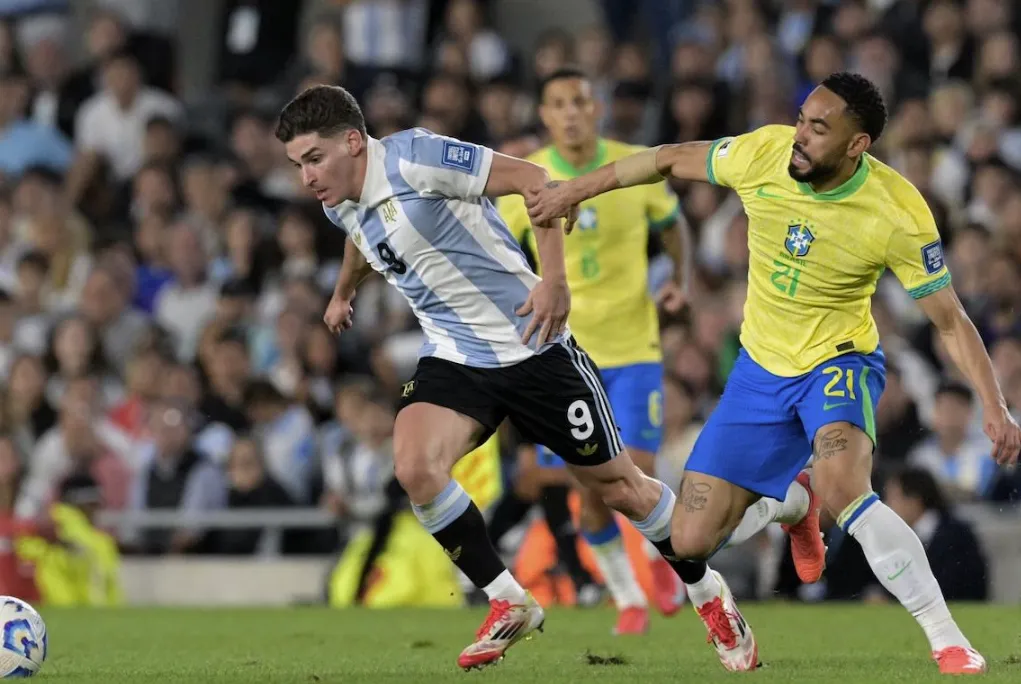
The truth is, both countries have experienced periods of dominance in international tournaments, but their domestic leagues tell a different story. While the Brazilian Série A has consistently produced world-class talent, it struggles to retain players who are quickly snapped up by European clubs. On the other hand, Argentina’s Primera División has a rich history but faces similar challenges, with top talents often leaving at a young age.
The Brazilian Dilemma: Talent Factory vs. League Retention
Brazil has long been known as a football talent factory. The country’s national team has won five World Cups, more than any other nation, and remains a powerhouse in international competitions. However, the domestic league often plays second fiddle to European leagues like the Premier League, La Liga, and Serie A.
According to experts at Baji Live, Brazil’s domestic league has seen a resurgence in recent years, with clubs like Flamengo, Palmeiras, and Atlético Mineiro achieving success in the Copa Libertadores. Yet, the financial disparity between Brazilian clubs and their European counterparts remains a significant challenge. “The Brazilian league is incredibly competitive, but the drain of talent to Europe is undeniable,” says football historian Juliana Costa. “If Brazil wants to maintain its edge, it needs to find ways to keep its stars at home for longer.”
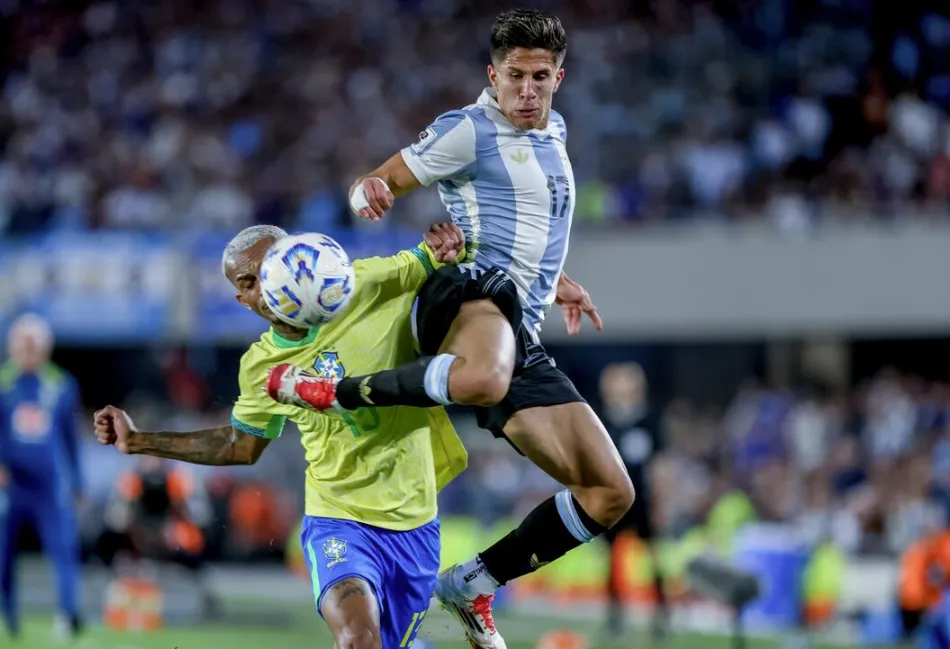
Argentina’s Unique Path: Passion Over Profit
Argentina’s football culture is deeply rooted in passion and tradition. The national team, led by Lionel Messi, recently triumphed in the 2022 World Cup, solidifying its status as one of the greatest teams in history. However, the domestic league faces its own set of hurdles. Economic instability in the country has made it difficult for clubs to compete financially with their European counterparts.
Despite these challenges, Argentina’s Primera División continues to produce exceptional talent. Players like Enzo Fernández, Julián Álvarez, and Alexis Mac Allister have all made their mark on the global stage after starting their careers in Argentina. “The Argentine league is a breeding ground for technical brilliance,” says former River Plate coach Pablo Aimar. “But the economic realities mean that many players must leave to pursue their dreams abroad.”
Comparing the Two Giants: What the Data Shows
| Aspect | Brazil | Argentina |
| World Cup Titles | 5 | 3 |
| Current FIFA Ranking (2024) | 5th | 1st |
| Domestic League Quality | High, with strong competition | High, but affected by economic challenges |
| Talent Retention | Low; many players leave early | Low; similar to Brazil |
| Recent International Success | 2019 Copa América | 2022 World Cup, 2021 Copa América |
This comparison reveals a fascinating paradox: while both countries have world-class national teams, their domestic leagues struggle to match the prestige and financial power of European competitions. The key question is whether this imbalance can be corrected.
The Role of Infrastructure and Youth Development
One area where both Brazil and Argentina excel is youth development. The streets and favelas of these countries have produced some of the most skillful players in history. However, the infrastructure for nurturing young talent differs significantly.
In Brazil, clubs often invest heavily in youth academies, with many top teams operating state-of-the-art facilities. For example, Santos FC, the club that produced Pelé and Neymar, has a renowned youth system. Similarly, Flamengo’s academy has churned out numerous stars, including Vinícius Júnior and Lucas Paquetá.
Argentina, on the other hand, relies more on grassroots development and the natural flair of its players. While clubs like River Plate and Boca Juniors have excellent academies, the overall investment in infrastructure is lower than in Brazil. “In Argentina, football is more about creativity and instinct,” says youth coach Diego Simeone Jr. “We don’t have the same resources as Brazil, but we make up for it with passion and determination.”
The Future of Football in South America
As the football world continues to evolve, both Brazil and Argentina face critical decisions. Should they focus on strengthening their domestic leagues, or continue to prioritize the success of their national teams? The answer may lie in finding a middle ground.
What Baji Live Recommends for Fans and Analysts
According to experts at Baji Live, the future of South American football depends on collaboration between clubs, national federations, and international organizations. “Strong national team, strong league – this is the ideal,” says Mendez. “But achieving both requires investment, innovation, and a commitment to developing the game at all levels.”
For fans, the rivalry between Brazil and Argentina is a gift that keeps on giving. Whether you’re cheering for the yellow and green or the blue and white, the passion and skill of these two nations are unparalleled. As the next generation of stars emerges, one thing is certain: the debate over which country has the stronger foundation will continue to captivate football lovers around the world.
Conclusion: The Beautiful Game Never Sleeps
The interplay between a strong national team and a strong domestic league is a challenge that goes beyond Brazil and Argentina. It’s a global issue that affects football powerhouses like Germany, Spain, and England as well. However, for South America’s two giants, the stakes are particularly high.
As we look to the future, the insights from Baji Live remind us that football is more than just statistics and trophies. It’s about culture, passion, and the unbreakable bond between a country and its favorite sport. Whether you’re analyzing the tactical nuances of a Brazilian Série A match or marveling at the creativity of an Argentine player, the beauty of the game lies in its ability to unite us all.
So, what do you think? Does a strong national team guarantee a strong league, or are they separate challenges altogether? Share your thoughts in the comments below, and don’t forget to explore more insightful articles on Baji Live for the latest football news and analysis!
