
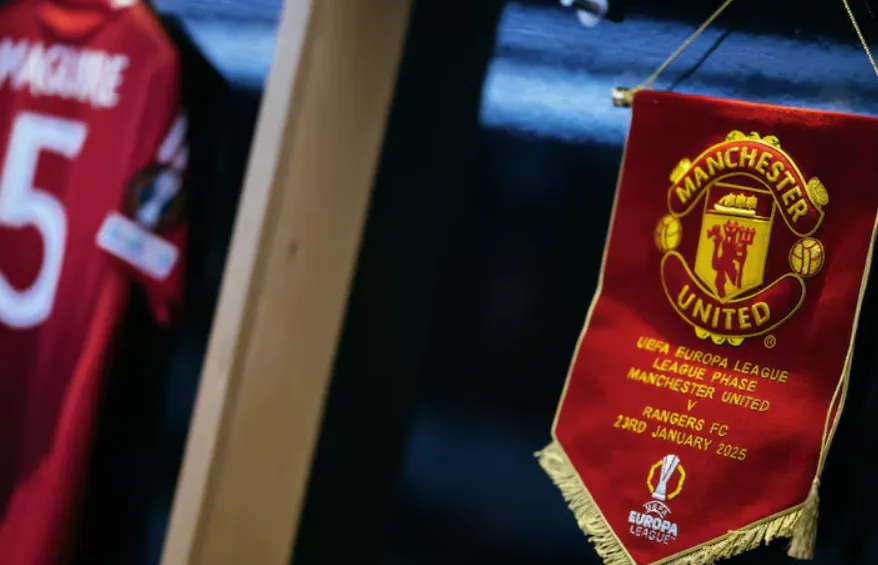
The red half of Manchester has endured a turbulent period, both on and off the pitch. While the on-field struggles have been well-documented, the club’s financial health has been a subject of intense scrutiny. Recently, Manchester United announced its financial results, revealing a projected path to profitability in 2026 following a particularly challenging fiscal year in 2025. This news, which has sent ripples through the football finance world, offers a fascinating case study of how a global sporting giant navigates economic headwinds. Here at Baji Live, we break down the numbers, the context, and what this means for the future of the club.
The 2025 Reality: A Financial Storm Weathered
To understand the forecast for 2026, we must first look at the difficult landscape of 2025. The financial year just concluded was one of the most difficult in recent memory for the club. Several factors converged, creating what many analysts described as a “perfect storm” of financial pressures.
The Impact of Missing the Champions League
The single biggest factor weighing on the 2025 accounts was the absence of UEFA Champions League revenue. For a club of Manchester United‘s stature, participation in Europe’s elite competition is not just about prestige; it is a vital revenue stream. The difference in broadcasting and matchday income between the Champions League and the Europa League is stark. Missing out on the group stages and the knockout rounds meant a significant hole in the budget, directly impacting the bottom line.
Ex-football finance expert and regular contributor to football analytics platforms, Dr. Alistair Finch, noted, “The absence of Champions League revenue for a club with Manchester United’s wage bill is like a luxury car running on a lawnmower engine. It can move, but it will struggle and burn through its reserves quickly. The 2025 results were a direct consequence of that drop in high-tier competition income.”
Wage Bill and Squad Investment
Another major contributor to the financial strain was the club’s substantial wage bill. A squad rebuilt with high-profile, high-earning stars required significant investment. While this investment was intended to secure a return to the top, the cost of player amortization and wages continued to rise faster than revenue in the short term. This imbalance created the pressure cooker environment that defined the 2025 fiscal year. The need for a clear transfer strategy became more urgent than ever.
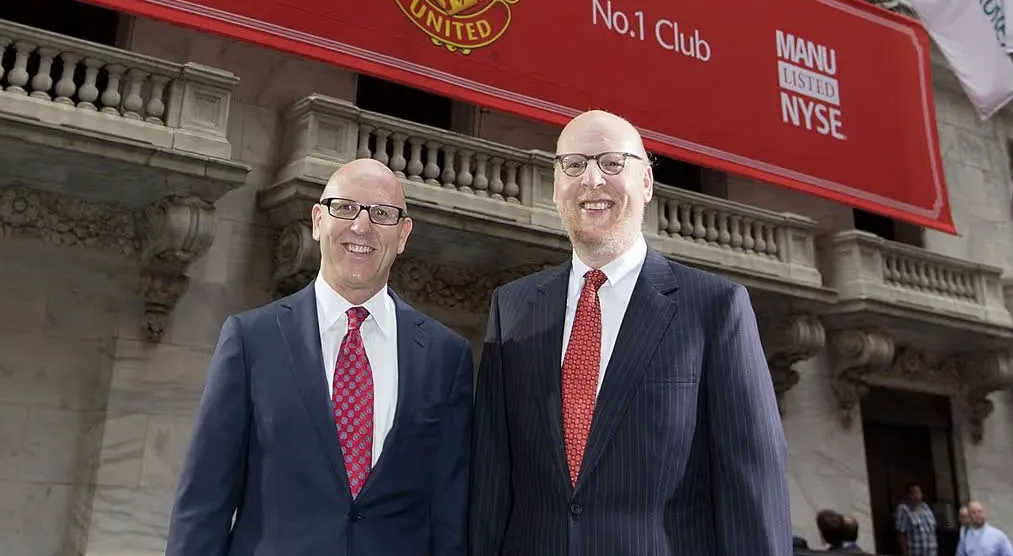
A Turnaround in Sight: Why 2026 Promises Profitability
Despite the grim picture painted by the 2025 results, the club’s forward-looking statements offer a much more optimistic outlook. The forecast for 2026 is not just about survival; it is about returning to a sustainable model of profitability. This shift is based on several key strategic pillars.
The Return of European Premiums
The most obvious catalyst for the projected profit in 2026 is the return to the Champions League, or at the very least, a more favorable run in European competitions. Securing a top-four finish in the Premier League guarantees a seat at the table of the most lucrative club competition in the world. This injection of matchday, broadcasting, and performance-related bonuses is the single biggest reason for the turn in fortunes. It is a classic example of how on-pitch success directly fuels off-pitch health.
Cost Optimization and Commercial Growth
Beyond just competition revenue, the club has been actively restructuring its cost base. This includes a more disciplined approach to squad building, with a focus on younger, high-potential talents rather than just established superstars. This strategy lowers the amortization costs over time. Furthermore, Manchester United‘s commercial machine remains one of the most powerful in world sport. New sponsorship deals, expanding the global fanbase in markets like North America and Asia, and optimizing retail operations are all contributing to a more robust revenue stream that does not rely solely on footballing performance.
Former Manchester United chief executive David Gill’s philosophy, while from a different era, still resonates. During a recent podcast appearance, he stated: “The commercial arm of Manchester United is an asset like no other in football. The key is to marry that global reach with a sustainable football model. It seems the current leadership is trying to correct a decade of missteps by doing exactly that.”
What This Means for the Club and Its Fans
The financial crossroads at which Manchester United finds itself is a pivotal moment in the club’s modern history. For supporters, the numbers on a balance sheet can feel abstract, but their implications are very real.
Impact on Future Transfers and Squad Building
A profitable 2026 would provide the club with greater financial flexibility. The era of Financial Fair Play (FFP) and the Premier League’s Profit and Sustainability Rules (PSR) means that a healthy bottom line is not just a vanity metric; it is a license to compete. A profitable club can spend more confidently, without the fear of breaching regulations. This could translate into a summer 2026 transfer window where the club can target its top priorities without having to sell key assets first.
The Long-Term Vision: Stability Over Boom and Bust
For years, Manchester United‘s financial narrative was one of consistent growth. The pandemic and subsequent mismanagement created a period of unpredictability. The forecast for 2026 suggests a return to a more stable, predictable financial trajectory. This stability is what allows a club to plan long-term infrastructure projects (like the potential Old Trafford redevelopment) and secure long-term commercial partnerships. It turns the club from a reactive entity, constantly putting out fires, into a proactive one, building for the future.
Looking Ahead: The Road to 2026 and Beyond
The journey from the painful 2025 results to the profitable 2026 projection is not guaranteed. It relies on maintaining a competitive edge on the pitch. A failure to secure Champions League football again could derail the entire plan. However, the signs are positive that the administration has learned the hard lessons of the past.
The club is no longer just spending money for the sake of it. There is a clear strategy aligning the footballing department with the financial department. The Baji Live analysis suggests that while the road was rocky, the direction is now clear. The club is leveraging its immense commercial power while showing fiscal discipline in its playing squad costs.
In conclusion, the announcement of a path to profitability in 2026 after a tough 2025 is a testament to the resilience of the Manchester United brand and the strategic pivot of its management. It is a story of adaptation, where a giant stumbled, took a step back, and is now finding its footing again. For the supporters, this is more than just good news for the accountants. It is a promise that the financial health of the club is being prioritized to ensure that the glory days, both on the pitch and in the boardroom, can return. What are your thoughts on this financial turnaround? Do you think a profitable club equals trophy-winning success? Share your views in the comments below, and stay tuned to Baji Live for all the latest in football finance and analysis.
