
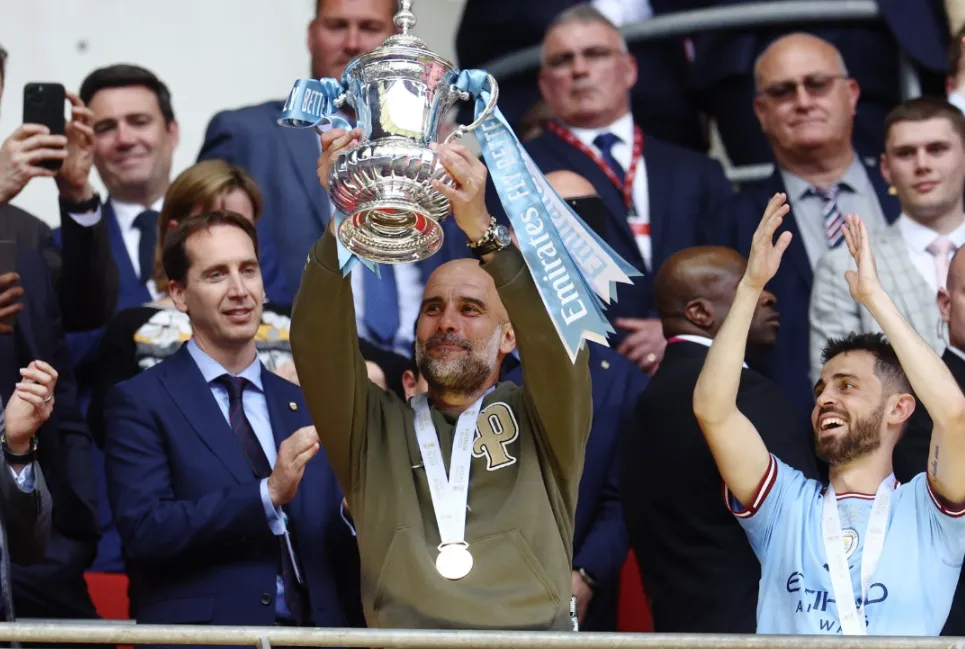
The FA Cup has long been celebrated as one of the most historic and cherished competitions in English football. With its rich tradition dating back to 1871, the tournament has produced countless memorable moments, from giant-killing upsets to dramatic Wembley finals. However, in the modern era of football, where financial rewards and European glory dominate conversations, the perception of the FA Cup has shifted significantly. For Baji Live enthusiasts who follow the beautiful game closely, understanding how top managers like Pep Guardiola view this competition provides fascinating insight into the sport’s evolving landscape.
Pep Guardiola’s Candid Admission on FA Cup Priorities
Manchester City’s mastermind, Pep Guardiola, recently made headlines with his remarkably honest assessment of the FA Cup’s place in his trophy priorities. The Catalan tactician, known for his philosophical approach to football, didn’t shy away from expressing his thoughts when asked about the competition’s significance.
The Context Behind Guardiola’s Statement
During a press conference ahead of a crucial FA Cup fixture, Guardiola was asked whether winning the competition remained a priority for his star-studded squad. In a moment of refreshing candor, the former Barcelona and Bayern Munich boss admitted that while the FA Cup holds historical importance, it doesn’t sit at the top of his wish list for the season.
“What can I say? The FA Cup is a beautiful competition, but if I’m being completely honest, it’s not the trophy I want most,” Guardiola explained. “The Premier League and Champions League are where we measure our success. The Cup is special, but different.”
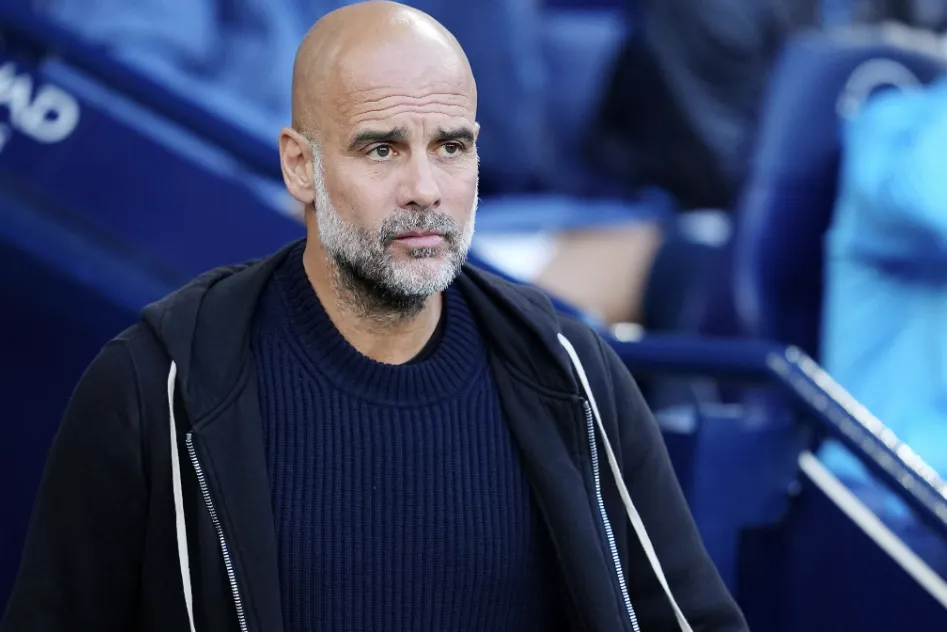
This statement, while surprising to some traditionalists, reflects the reality of modern football management. The Spaniard’s comments were not meant to disrespect the competition but rather to acknowledge the strategic priorities that define elite-level football today.
How This Compares to Historical Perspectives
To fully appreciate Guardiola‘s position, we need to look back at how the FA Cup was viewed by previous generations. Former Manchester United legend Sir Alex Ferguson, for instance, often used the FA Cup as a building block for his dynasty. In 1990, the FA Cup victory saved Ferguson’s job and launched an era of unprecedented success.
Sports historian and football analyst Dr. James Richardson explains: “In the 1970s and 1980s, the FA Cup was arguably the most prestigious trophy in English football. Winning at Wembley was the pinnacle. But the landscape has changed dramatically since the Premier League’s formation in 1992 and the Champions League’s growing financial importance.”
The Modern Trophy Hierarchy at Elite Clubs
For top clubs like Manchester City, the trophy hierarchy has become increasingly defined by financial and prestige factors. Let’s break down how Guardiola and his contemporaries typically prioritize silverware.
Premier League: The Ultimate Domestic Test
The Premier League is widely considered the most important domestic competition for any English club. With 38 matches testing consistency, squad depth, and tactical adaptability, winning the league represents sustained excellence. For Guardiola, who has won multiple Premier League titles, this competition validates his methods and philosophy week after week.
“The league is the truest test of a team’s quality,” former Arsenal manager Arsène Wenger once noted. “You cannot hide in the league. Every weekend, you must prove yourself.”
Champions League: The European Holy Grail
For clubs like Manchester City, the Champions League represents the ultimate ambition. The competition brings together Europe’s elite, offering both prestige and substantial financial rewards. City’s long-awaited Champions League triumph in 2023 under Guardiola validated the club’s project and silenced critics who questioned their European credentials.
FA Cup: Pride and Tradition
While the FA Cup may sit third in the hierarchy for some managers, it remains a competition that carries significant weight. Winning at Wembley, having your name etched onto the famous trophy, and creating lasting memories for fans are intangibles that cannot be measured purely by commercial metrics.
The Economic Realities Behind Trophy Priorities
Understanding Guardiola‘s perspective requires examining the financial implications of different competitions. The Premier League winner receives approximately £170 million in prize money and broadcast revenue. Champions League success can generate over £100 million. In comparison, FA Cup winners receive roughly £2 million.
The Player Management Factor
Modern football demands careful squad rotation and player management. With congested schedules featuring up to 60 matches per season for top clubs, managers must make difficult decisions about where to field their strongest teams.
“Players can’t play 60 games at maximum intensity,” explains sports scientist Dr. Maria Fernandez. “Guardiola and other top managers use data analytics to determine which matches deserve the most preparation and focus. The FA Cup sometimes becomes the competition where squad players get opportunities.”
How Guardiola’s Teams Perform in the FA Cup
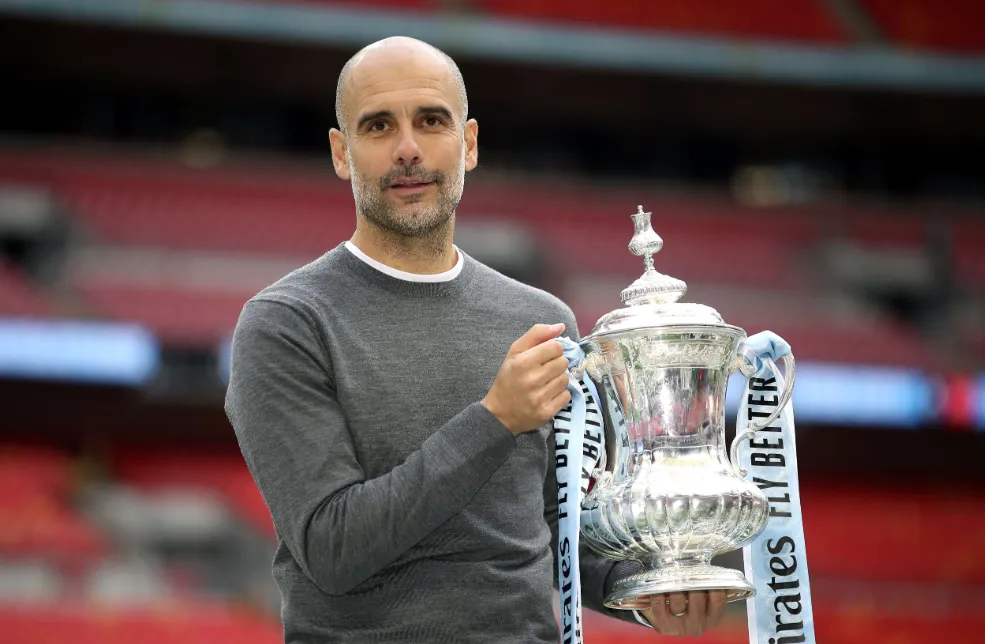
Despite his comments about prioritization, Guardiola’s record in the FA Cup is impressive. Manchester City won the competition in 2019, 2023, and have consistently progressed to the later stages under his tenure.
Tactical Approach to Cup Matches
Guardiola typically treats FA Cup matches with respect, though he often rotates his squad to give valuable minutes to backup players. This approach has yielded mixed results, with some memorable victories and occasional surprising defeats.
| Season | FA Cup Performance | Key Moment |
| 2016-17 | Semi-final | Lost to Arsenal |
| 2017-18 | Fifth Round | Eliminated by Wigan |
| 2018-19 | Winners | Beat Watford 6-0 |
| 2019-20 | Semi-final | Lost to Arsenal |
| 2020-21 | Semi-final | Lost to Chelsea |
| 2021-22 | Semi-final | Lost to Liverpool |
| 2022-23 | Winners | Beat Manchester United |
| 2023-24 | Winners | Beat Manchester United |
The Broader Debate: Has the FA Cup Lost Its Magic?
Guardiola‘s comments have reignited a long-standing debate about the FA Cup’s status in modern football. Traditionalists argue that the competition’s magic remains intact, pointing to memorable moments like non-league Sutton United’s run or Wigan Athletic’s 2013 triumph.
Arguments for the FA Cup’s Continued Importance
The competition offers unique qualities that other tournaments cannot replicate. The romance of cup football, the potential for lower-league teams to create history, and the single-elimination format create drama that league competitions often lack.
“Nothing compares to the magic of the FA Cup,” says former England international Gary Lineker. “When a non-league team knocks out a Premier League giant, that’s what makes football special. You don’t get that in the Champions League.”
Arguments for Declining Significance
Critics point to several factors that have diminished the FA Cup’s importance:
- Squad rotation: Top clubs field weakened teams in early rounds
- Fixture congestion: The competition adds matches to already packed schedules
- Financial disparity: The gap between elite and smaller clubs has grown
- European focus: Champions League qualification offers greater rewards
What This Means for Baji Live Readers and Football Fans
Understanding Guardiola‘s perspective helps fans appreciate the strategic thinking behind modern football management. When you watch Manchester City in the FA Cup, you’re seeing a calculated approach where squad management and long-term planning intersect with the desire to win.
How to Enjoy FA Cup Football
For those who love the competition, there’s still plenty to appreciate. The FA Cup offers:
- Underdog stories: Smaller clubs getting their moment in the spotlight
- Historical moments: Creating memories that last generations
- Trophy tradition: Lifting the iconic trophy at Wembley remains special
- Competitive matches: One-off games often produce more drama than league fixtures
Conclusion: The FA Cup’s Place in Modern Football
Pep Guardiola’s honest assessment of the FA Cup’s place in his trophy priorities reflects the reality of 21st-century football. While the competition may not be the first choice for elite managers juggling multiple trophy ambitions, it still matters. It matters to the fans, to the smaller clubs dreaming of giant-killing feats, and to the history books that record every winner.
As Baji Live followers continue to analyze and debate the beautiful game, Guardiola’s comments serve as a reminder that football’s landscape is constantly evolving. The FA Cup may have changed in status, but its ability to create unforgettable moments remains undiminished. Whether you’re a traditionalist who values the cup’s history or a modern fan focused on league and European glory, there’s no denying that the FA Cup still holds a special place in English football’s heart.
What are your thoughts on Guardiola’s comments? Do you think the FA Cup has lost its prestige, or does it still carry magic? Share your opinions in the comments below, and don’t forget to explore more football analysis on our website.
