
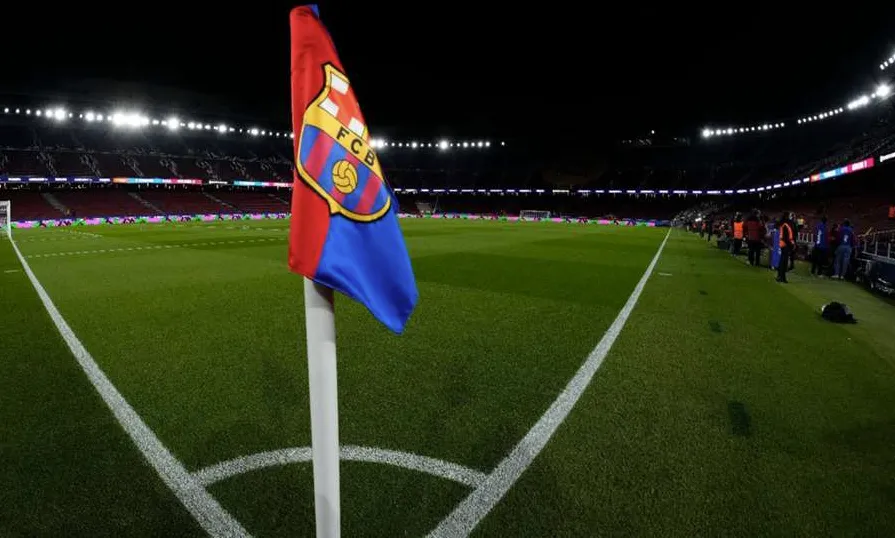
The landscape of European football is constantly shifting, and the latest seismic move comes from Catalonia. Barcelona, once a cornerstone of the controversial European Super League (ESL) project alongside arch-rivals Real Madrid, has officially withdrawn its support. This decision, announced by club president Joan Laporta, marks a dramatic realignment of Barça’s strategy and signals a potential end to one of football’s most contentious modern power struggles. For fans seeking the deepest analysis of football’s political and financial currents, Baji Live is here to break down what this means for the beautiful game.
The Unraveling of an Uneasy Alliance
For years, Barcelona and Real Madrid stood shoulder-to-shoulder as the principal architects and defenders of the Super League. This alliance was forged in a shared belief that European football’s financial model was broken and that the Premier League’s economic dominance needed a counterweight. It was a partnership of convenience, often putting historic sporting enmity aside for a perceived greater good. However, as Laporta stated, the project in its original “closed” format is now “obsolete.”
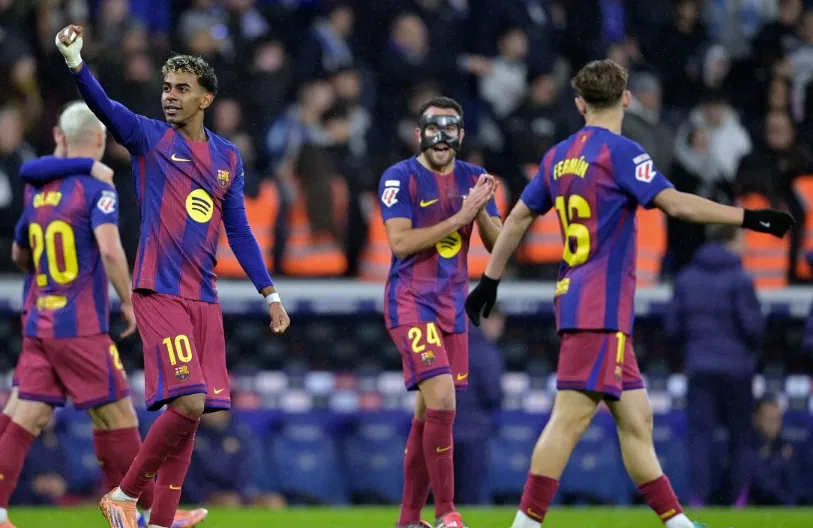
The catalyst for this change was the European Court of Justice’s landmark ruling in late 2023, which found that UEFA and FIFA had abused their dominant position by blocking the ESL. Ironically, this legal victory for A22 Sports, the ESL’s promoter, opened the door for its own evolution. The “Unify League” proposal for an open, 96-team competition was met with widespread indifference across the continent. With UEFA’s successful revamp of the Champions League into a more inclusive and lucrative “Swiss model,” the perceived necessity of a breakaway league has significantly diminished for most clubs.
A Bridge Rebuilt: Barça’s Return to the Fold
President Laporta’s announcement is more than a simple withdrawal; it’s a strategic homecoming. He confirmed Barcelona’s intention to “re-establish links with UEFA and the European Club Association (ECA).” This move is a clear acknowledgment that the club’s future interests are better served within the existing football ecosystem, especially as it navigates a delicate period of financial restructuring.
The reformed Champions League format, which begins in the current season, offers more matches, more revenue-sharing opportunities, and a structure that has placated many of Europe’s elite clubs. For Barcelona, focusing on success within this framework and stabilizing its own economic situation has taken clear precedence over continuing a divisive external battle. As football finance analyst Michael Cartwright noted in a recent briefing, “Barcelona’s pivot is a pragmatic survival move. The energy required to fight UEFA is energy they desperately need to rebuild their sporting project and balance sheet.”
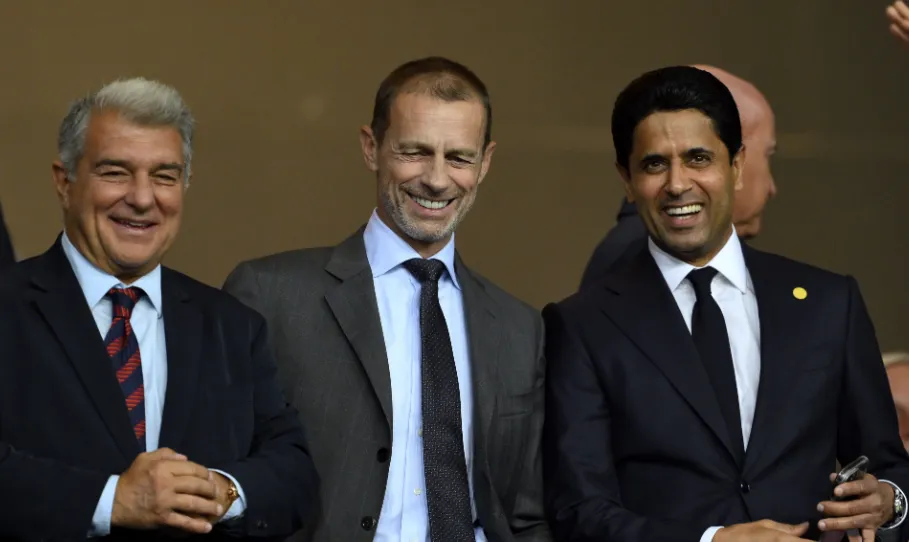
The Madrid Rift Widens: Beyond the Super League
Barcelona’s exit from the ESL has shattered its fragile truce with Real Madrid, bringing long-simmering tensions back to a boiling point. The relationship between the two clubs, and particularly between presidents Laporta and Florentino Pérez, has deteriorated sharply in recent months.
The core of this renewed conflict stems from the ongoing “Negreira case,” an investigation into historical payments made by Barcelona to a former vice-president of Spain’s refereeing committee. Real Madrid has taken an active role as a private prosecutor in the case, pushing for action against Barça—a move seen in Catalonia as a direct and aggressive attack. This legal front has completely overshadowed any remaining solidarity from their Super League days. The two giants of Spanish football are now entrenched in what appears to be their most bitter off-pitch conflict in years, with the Super League no longer acting as a unifying cause.
What’s Next for the European Super League?
With Barcelona‘s departure, the European Super League project is left in a critically weakened state. Real Madrid and A22 Sports may continue to champion the “Unify League” concept, but without its other founding Iberian pillar, its credibility and momentum are severely damaged. The project now feels more like a political stance held by a dwindling few rather than a viable imminent threat to UEFA’s hegemony.
The football world has largely moved on. Clubs, fans, and even governing bodies have adapted to the new reality. UEFA’s reforms, while not perfect, have successfully addressed many of the grievances that fueled the breakaway attempt in 2021. The focus for the vast majority of stakeholders is now on making the new Champions League format a success and ensuring competitive balance across domestic leagues.
Conclusion: A New Chapter for Barça and European Football
Barcelona’s Strategic Pivot: Why Leaving the Super League Signals a New Era for European Football underscores a fundamental truth in modern sports: pragmatism eventually triumphs over ideology. Barcelona’s decision to abandon the Super League and mend fences with UEFA is a calculated bet on stability and integration. It leaves the breakaway project on life support and deepens the chasm with Real Madrid, setting the stage for a fascinating new phase in their historic rivalry. For the latest, most insightful commentary on football’s ever-evolving power dynamics, keep your eyes on Baji Live. What do you think this means for the future of competitions like the Champions League? Share your thoughts in the comments below
